

Nautilus Institute’s Policy Forum‘s focus is on the timely publication of expert analysis and op-ed style pieces on the foremost of security-related issues to Northeast Asia. Its mission is to facilitate a multilateral flow of information among an international network of policy-makers, analysts, scholars, media, and readers. Policy Forum essays are typically from a wide range of expertise, political orientations, as well as geographic regions and seeks to present readers with opinions and analysis by experts on the issues as well as alternative voices not typically presented or heard. Feedback, comments, responses from Policy Forum readers are highly encouraged.
NAPSNet, Policy Forum
TO DRIVE FORWARD AT HIGH SPEED LOOK BACKWARDS

PETER HAYES AND LEON SIGAL JANUARY 18 2025 I. INTRODUCTION In this essay, Peter Hayes and Leon Sigal argue that historical insight is essential to understanding the current political turmoil in the ROK and its implications for the incoming Trump Administration’s policies towards the DPRK. It also marks the posting of the latest searchable DPRK […]
Go to the articleDISSECTING THE WASHINGTON DECLARATION

APRIL 29, 2023 PETER HAYES I. INTRODUCTION In this essay, Peter Hayes analyzes the five key elements of the Biden-Yoon Washington Declaration; and concludes: “Yoon’s January 2023 nuclear proliferation demarche and the US response have made the peninsula, the region, and the world more insecure whilst doing nothing to actually reduce the risk of nuclear […]
Go to the articleIMPLICATIONS OF THE UKRAINE WAR FOR ROK SECURITY
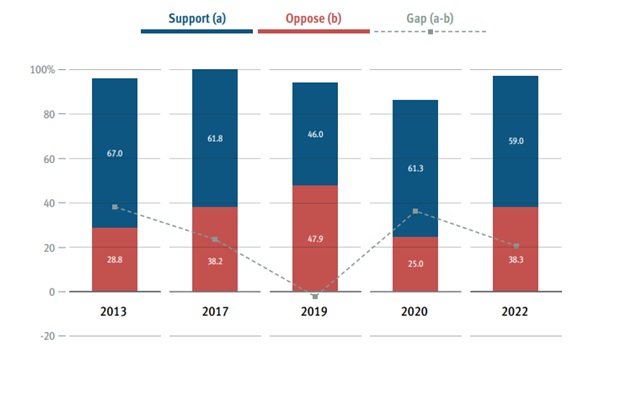
CHEON, MYEONGGUK DECEMBER 5, 2022 I. INTRODUCTION In this essay, CHEON Myeongguk explores the possible implications of the Ukraine conflict on the ROK attitudes regarding nuclear weapons. He concludes that the “ROK’s indigenous nuclear option would be a last resort as a deterrence measure against DPRK’s nuclear threat. This option would only be considered by […]
Go to the articlePOTENTIAL IMPLICATIONS OF THE SITUATION IN UKRAINE FOR RUSSIA’S NUCLEAR DEPLOYMENT IN NORTHEAST ASIA

ANASTASIA BARANNIKOVA NOVEMBER 7, 2022 I. INTRODUCTION In this essay, Anastasia Barannikova argues that although the situation in Ukraine does not affect Russia’s nuclear posture/strategy in Northeast Asia directly, direct impacts of the situation in Ukraine on Russia’s nuclear policies in this region cannot be ruled out. Examples of such indirect impacts include changes […]
Go to the articlePOTENTIAL IMPLICATIONS OF THE WAR IN UKRAINE FOR NORTHEAST ASIA

PAUL K. DAVIS OCTOBER 27, 2022 I. INTRODUCTION In this Policy Forum essay, Paul Davis argues: “Anyone sensible worries that a first nuclear use might well lead to escalation and general nuclear war, but the adjective “inexorably” should no longer be included.” He concludes that the Ukraine war has made the range of nuclear-use cases […]
Go to the articleIMPLICATIONS OF RUSSIA’S NUCLEAR SIGNALING DURING THE UKRAINE WAR FOR CHINA’S NUCLEAR POLICY
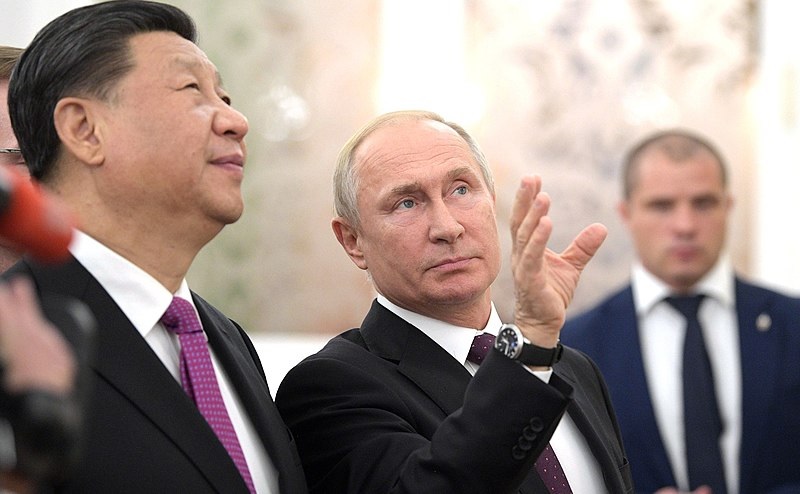
TONG ZHAO OCTOBER 13, 2022 I. INTRODUCTION In this Policy Forum essay, Tong Zhao argues that China fundamentally sees the Ukraine conflict as being caused by hegemonic behavior by the US-led West forcing Russia’s hand. China has been watching and learning from Russia’s implicit use of nuclear threat, and the lessons learned may add Tong […]
Go to the articleBIRDS OF A FEATHER: THOUGHTS ON PYONGYANG’S LESSONS FROM THE WAR IN UKRAINE
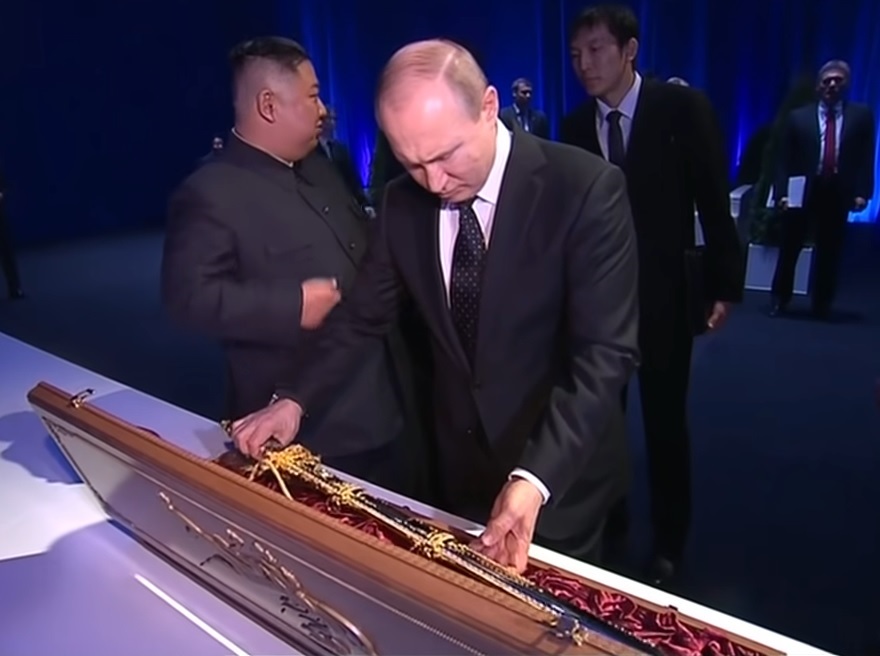
ALEXANDRE Y. MANSOUROV OCTOBER 7, 2022 I. INTRODUCTION In the Policy Forum essay that follows, Alexandre Mansourov argues that the lessons learned from the Ukraine conflict by DPRK leadership may make the DPRK more likely to conclude that having nuclear weapons capability will not necessarily translate to victory in a war on the Korean peninsula, […]
Go to the articleRUSSIA, AMERICA AND NUCLEAR THRESHOLD(S)
ROBERT AYSON SEPTEMBER 30 2022 INTRODUCTION In this essay, Robert Ayson argues that “Putin’s nuclear rhetoric is unlikely to disappear or become more reasonable. But what he decides to do with Russia’s nuclear arsenal matters more than what he chooses to say about it.” He concludes that “it’s time for Asia-Pacific powers–especially India and China–to […]
Go to the articleTHE CROSSROADS OF ATOMIC WARFARE IN ONE FAMILY

MICHAEL ROACH AUGUST 6 2022 I. INTRODUCTION In this essay, Michael Roach provides a remarkable account of multigenerational involvement in nuclear war, starting with a previously unpublished photo of the starboard nose of the Enola Gay bomber that delivered the first atomic bomb and returned to Tinian airfield, showing the inscription “First Atomic Bomb […]
Go to the articleSCOTT MORRISON’S GIANT NUCLEAR ELECTION PLOY

ALLAN BEHM SEPTEMBER 18, 2021 I. INTRODUCTION Allan Behm states that: “Australia’s decision to join with the United States and the United Kingdom to build Australian long-range nuclear-powered submarines (SSNs) has little to do with the defence of Australia. The aim is to make possible an Australian contribution to US battle plans against China which […]
Go to the article